Zebrafish Health and Welfare Glossary - Welfare Terms, Behavior
BEHAVIOR
| Parameter | Welfare Indicators | Sub Category | Synonyms | Definitions | Severity Score | Picture |
|---|---|---|---|---|---|---|
| Individual | Inactive / Lethargic | |||||
| Reduced movement | Lack of movement | Reduced movement when compared to control | Mild: *Inactive / lethargic but responsive if disturbed and returns to normal activity Moderate: Inactive / lethargic even if provoked Severe: Inactive / lethargic even if provoked (non – responsive) | |||
| Hanging at water surface | Staying at surface of water | Mild: *Inactive / lethargic but responsive if disturbed and returns to normal activity Moderate: Inactive / lethargic even if provoked Severe: Inactive / lethargic even if provoked (non – responsive) | ||||
| Sitting on bottom | Staying on bottom of tank but responsive to touch | Mild: *Inactive / lethargic but responsive if disturbed and returns to normal activity Moderate: Inactive / lethargic even if provoked Severe: Inactive / lethargic even if provoked (non – responsive) | ||||
| Immobile, unresponsive to touch | No movement even when provoked | Mild: *Inactive / lethargic but responsive if disturbed and returns to normal activity Moderate: Inactive / lethargic even if provoked Severe: Inactive / lethargic even if provoked (non – responsive) | ||||
| Individual | Hyperactive | Flashing behaviour Overactive | Excessive activity | Mild: *Intermittent increased activity Moderate: Increased activity 'hyperactive' behaviour (very fast swimming) intermittently Severe: Increased activity 'hyperactive' behaviour continuously | ||
| Individual | Uncoordinated movements | Loss of balance | Altered ability to maintain skilful and effective interaction of movements or maintenance of equilibrium | Mild: *Intermittently unable to maintain skilful and effective coordination of movements Moderate: Unable to maintain skilful and effective interaction of movements with marginal loss of equilibrium Severe: Unable to maintain skilful and effective interaction of movements and maintenance of equilibrium | ||
| Individual | Rubbing of the body on tank | Flicking | Compulsive rubbing on the side of the tank or available surface | Mild: *Intermittent rubbing of the body on the tank Moderate: Increased activity and rubbing of the body on the tank intermittently Severe: Increased activity and rubbing of the body on the tank continously | ||
| Individual | Jumping out of the water | Jumping out of the water of an undisturbed tank | ||||
| Individual | Shaking | Shimmy | Staying in one place but moving side to side rapidly | Mild: *Intermittent shaking of the body Moderate: Increased activity or lethargic and shaking of the body intermittently Severe: Increased activity or lethargic and shaking of the body continously | ||
| Individual | Unable to descend | Unable to descend, staying at surface of water or quickly floating back up to surface | Mild: *Intermittently unable to descend Moderate: Unable to descend continuously Severe: Unable to descend continously, unable to perform natural behaviours and abnormal development | |||
| Individual | Isolation | Separates itself from others within the tank | ||||
| Group Behavior | Aggressive | When compared to controls, subjects exhibit greater than normal level of domineering or chasing behaviour | ||||
| Group Behavior | Aggressive | Biting fins | Attacking Lesioning | Aggressive individual bites/attacks fins of other fish | 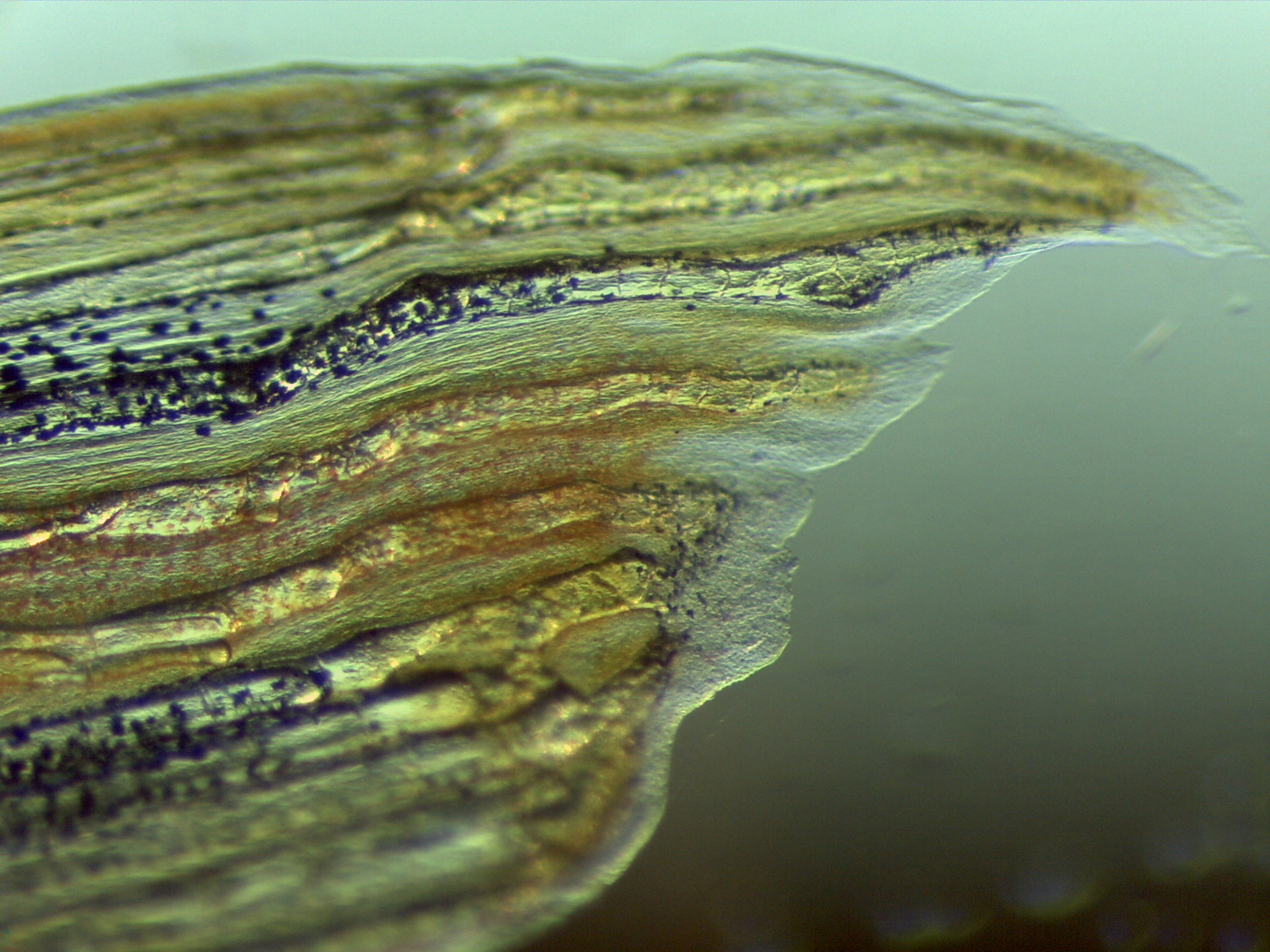 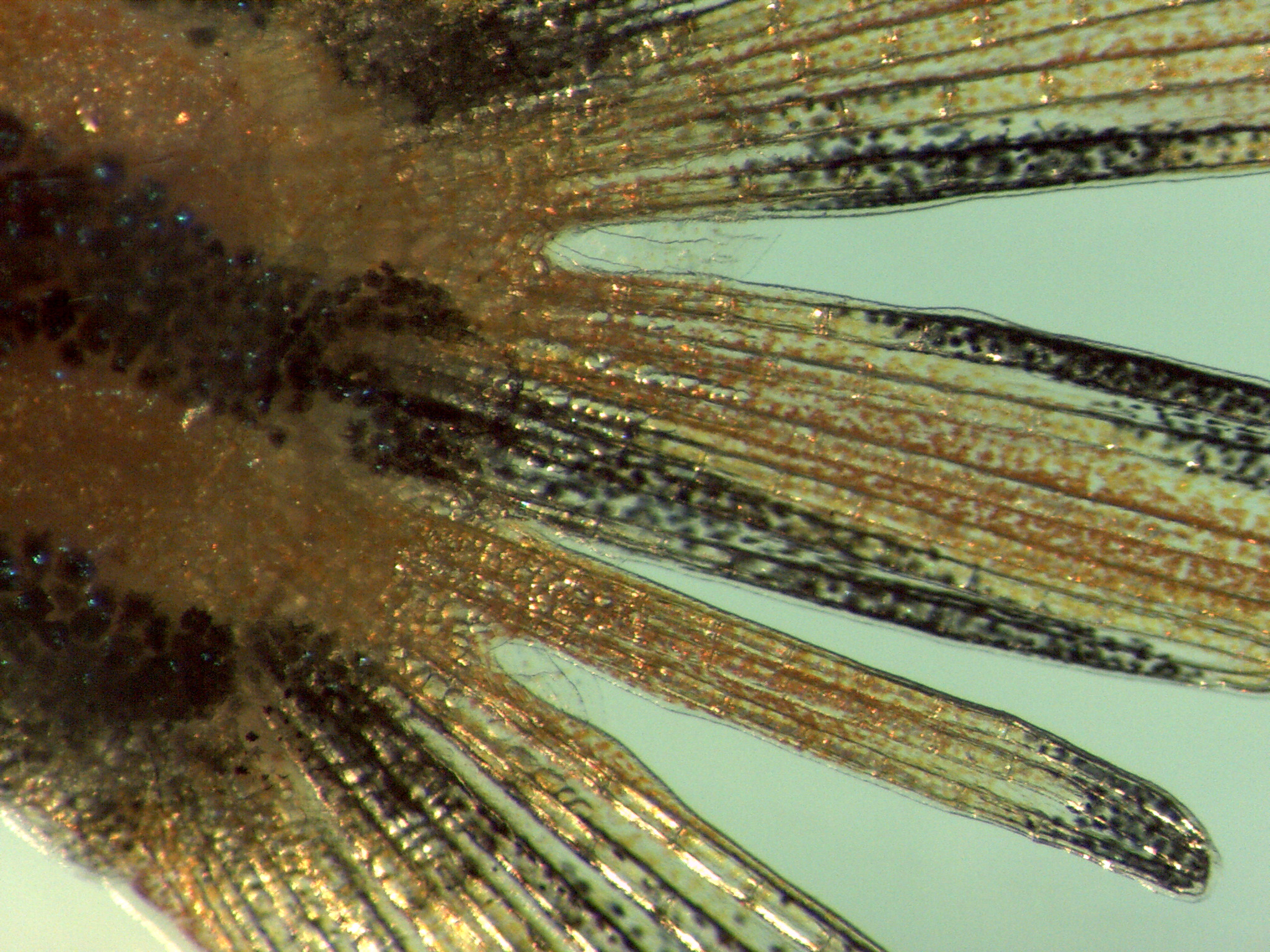 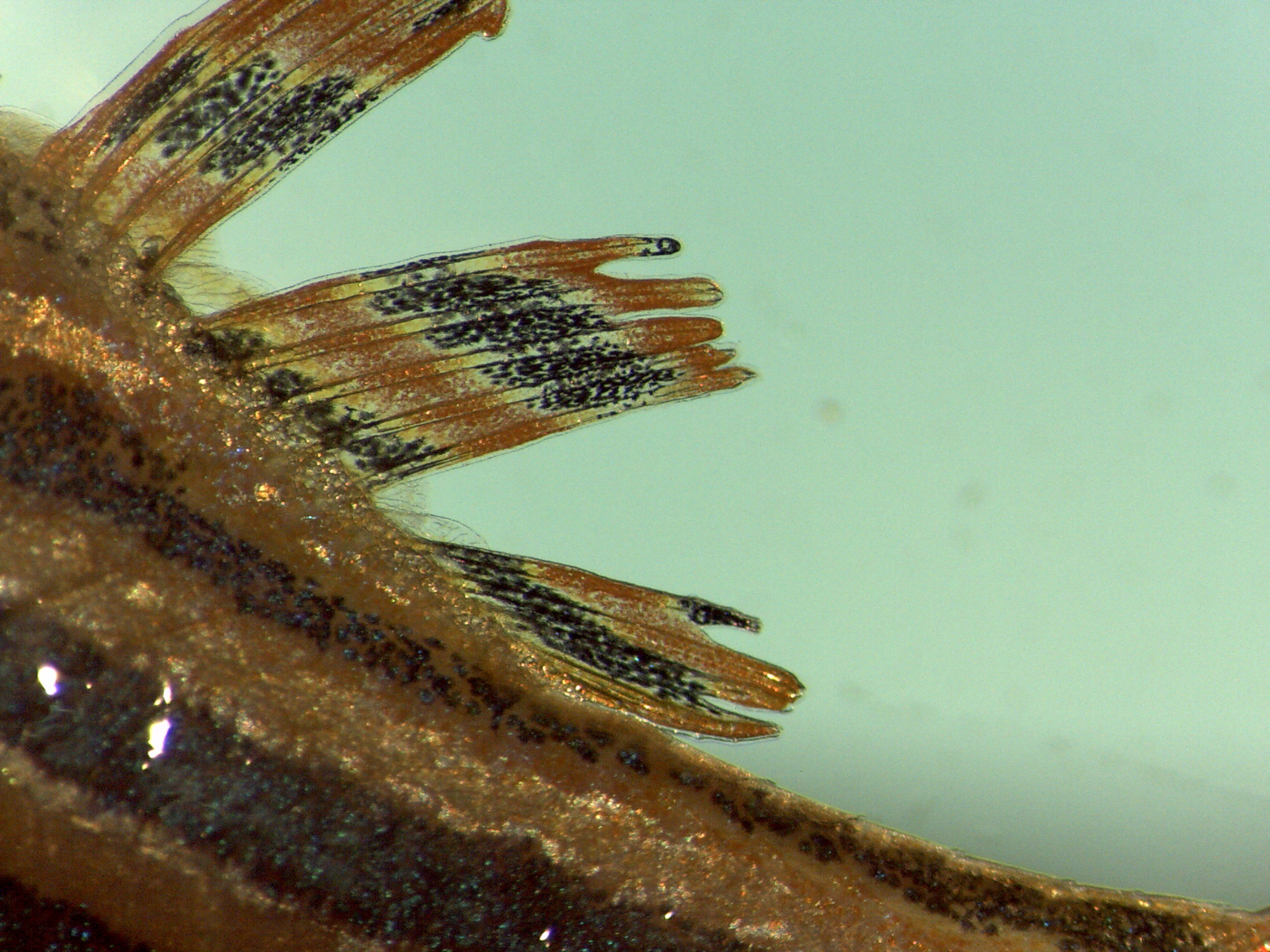 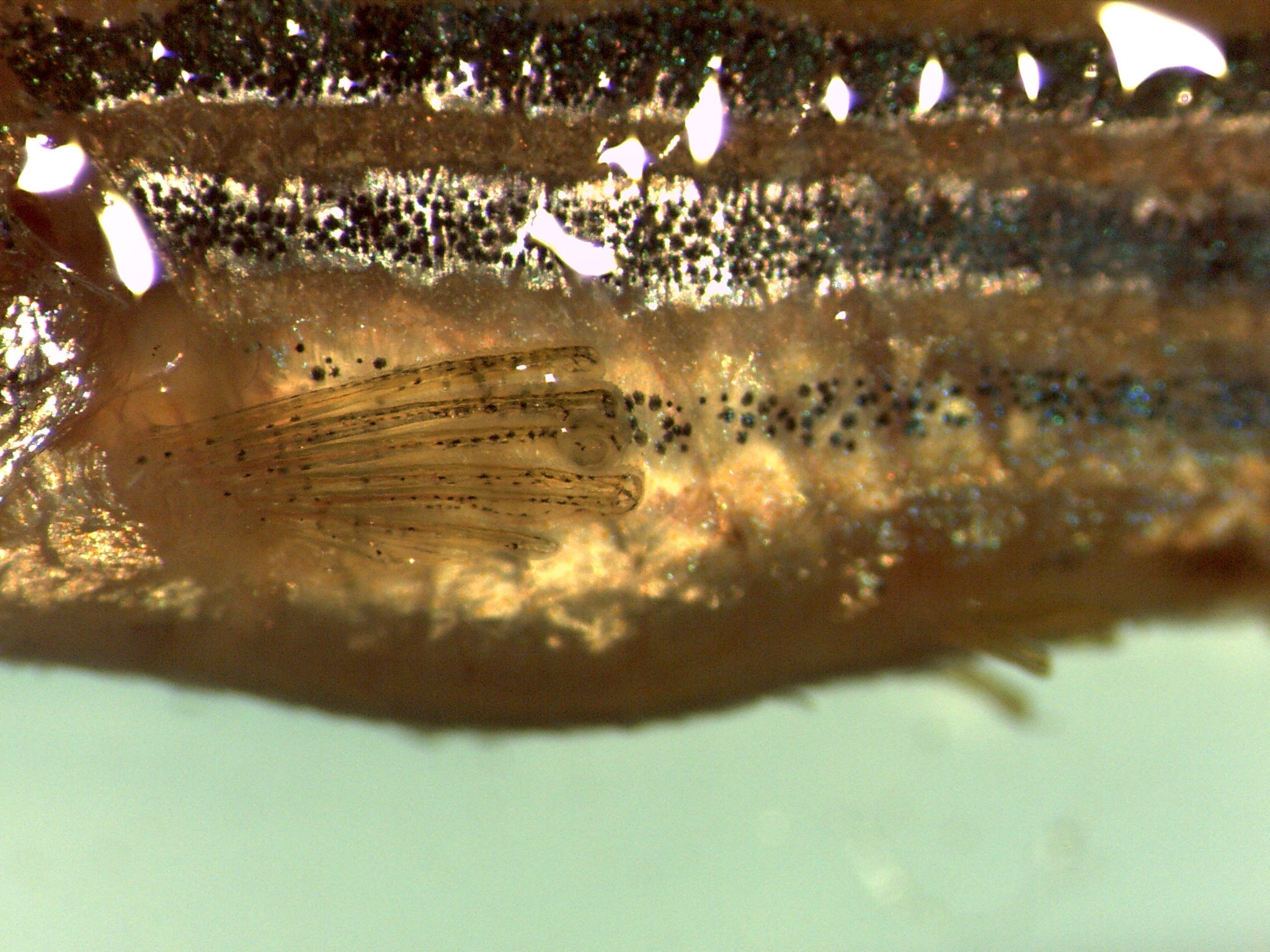 | |
| Group Behavior | Non-Responsive | Reduced response to tank mates | Mild: *Inactive / lethargic but responsive if disturbed and returns to normal activity Moderate: Inactive / lethargic even if provoked Severe: Inactive / lethargic even if provoked (non – responsive) | |||
| Group Behavior | Gathering at water inlet | Gathering at water inlet point of oxygenation |